
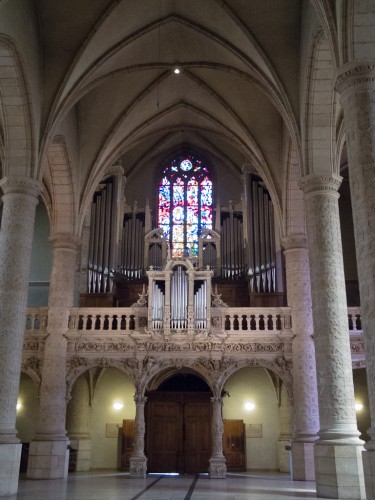
Cathédrale Notre-Dame de Luxembourg was founded in the early 17th century as part of the city’s Jesuit college. When the Jesuits were ordered from the area in the 18th century, the church was given to the City of Luxembourg. Notre Dame awarded cathedral status in 1870 when Pope Pius IX declared Luxembourg a self-governing diocese. […]
Archive | See RSS feed for this section
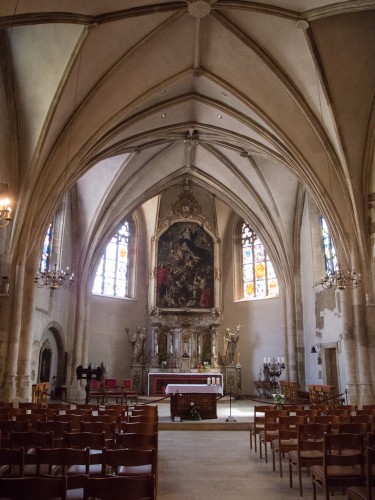
Église Saint-Michel, Luxembourg
This church sits on the oldest religious site in the city, where the castle chapel of the Counts of Luxembourg was built in the 10th century. The church has gone through many incarnations; it was destroyed, rebuilt and renovated many times throughout the centuries in different styles including Gothic, Romanesque and Baroque. The current building […]
Villa Vauban
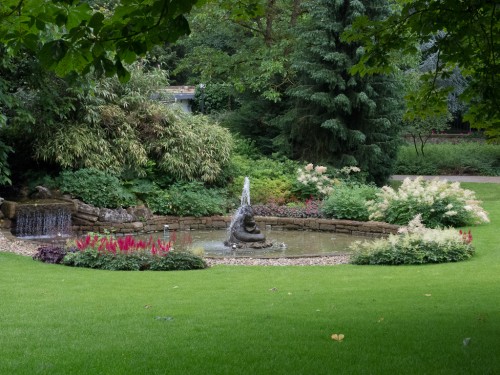
This small but important museum is housed in a 19th century urban villa in the middle of a lush, landscaped park. The museum’s peaceful, timeless setting is ideal for showcasing its collection of 17th-19th century European paintings, sculptures and drawings. The current exhibit, “Treasures from the Burkenthal Collection: Brueghel, Cranach, Titian, van Eyck”, features 15th-18th […]
St. Mary’s Church Hay
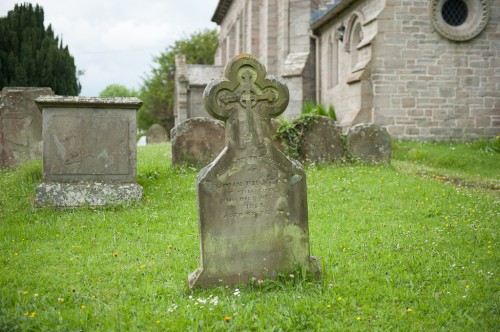
St. Mary’s tower can be seen from many points in Hay-on-Wye, but it’s the old, weathered gravestones that caught my eye. The church was originally constructed in the 12th century. It was significantly renovated in the 19th century when a new nave, chancel and trio of Gothic arches were added. Today, the lower part of […]
Hay Castle
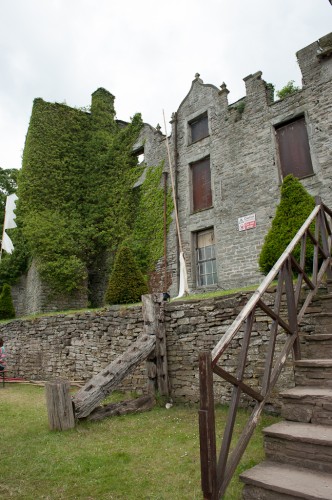
This is one of the last medieval fortresses still standing around the English/Welsh border. Centuries of pummeling, sacking, burning and destroying sufficiently eliminated most other structures. Hay-on-Wye was unique in that it had two Norman castles. This is the second one. It was built by Maud de Breos in the 12th century and remained in […]
Castle of the Hay
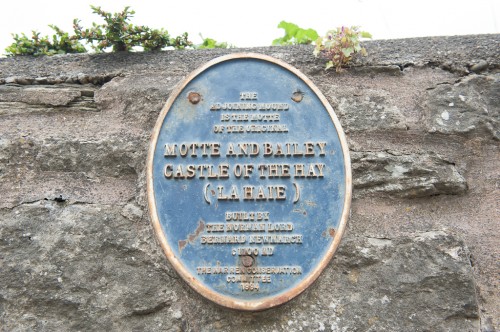
Hay-on-Wye was unique in that it had two Norman castles. This is the site of the first one. After William of Nomandy invaded England in 1066, he rewarded his supporters with land along the Welsh border. No matter that the land belonged to the Welsh; these lords were allowed to seize whatever land looked good […]
Cathédrale Saint Réparate
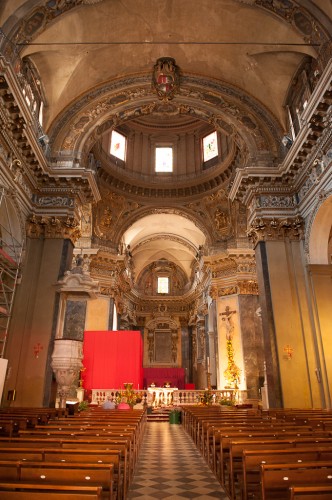
This 17th century Baroque cathedral honors Nice’s patron saint, Saint Réparate, whose relics have been enshrined here since 1690. The current structure was built on the site of the original 13th centuy church, which was razed when it was deemed too small for Nice’s growing importance. The new cathedral was based on the model of […]
Le Palais des Princes de Monaco
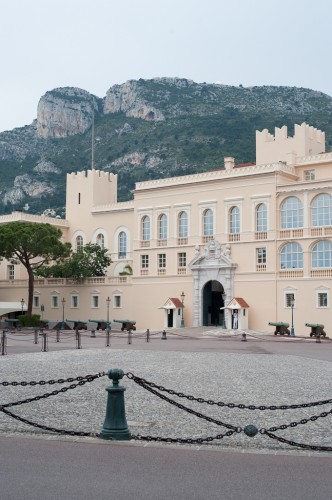
This palace was originally constructed in the 12th century as a fortress. The Republic of Genoa had just acquired Monaco’s accessible harbor, and they needed to protect the coastline. Why not build a fortress atop a hill? The Genoese were weathly merchants – so rich, in fact, that they banked the other European nation states. […]
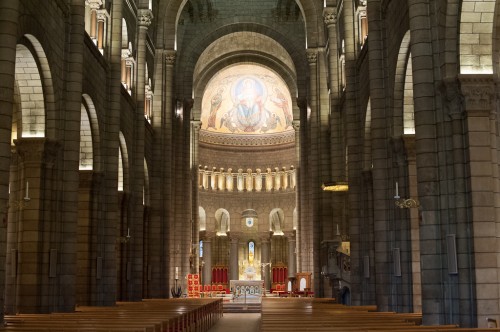
Cathédrale de Monaco
The Romanesque-Byzantine Cathédrale de Monaco was built in 1875 with white stones from La Turbie. Previously, a 13th century church dedicated to Saint Nicolas stood on the site. The 16th century altar was designed by Niçois painter Louis Bréa. Prince Rainier III and Grace Kelly were married here. Their tombs, along with other former Monaco […]
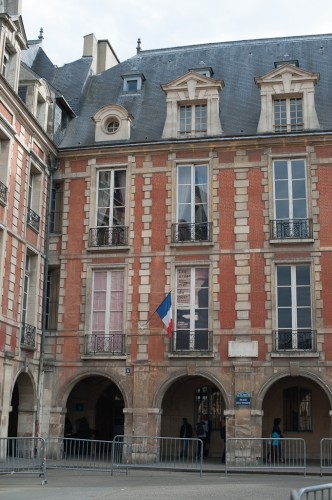
Maison de Victor Hugo and Place des Vosges
If you’re in the Marais, head over to 6 Place des Vosges, where Victor Hugo lived with his wife and four children from 1832-1848 in the 16th century Hôtel de Rohan-Guéménée. By the time he lived here, Hugo had already become a great success with his novel Notre-Dame de Paris and his play Harnani. Here, […]
