
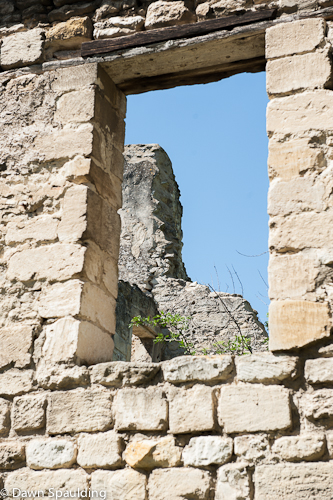
This sprawling 14th-century fort sits high on a mountaintop across the river from Avignon. I was curious to check it out since its grandness is visible from many surrounding points. Up close, it’s just as massive and solid as it appears from afar. In the 13th century, Fort St-André was built on Mount Andaon on […]
Archive | See RSS feed for this section
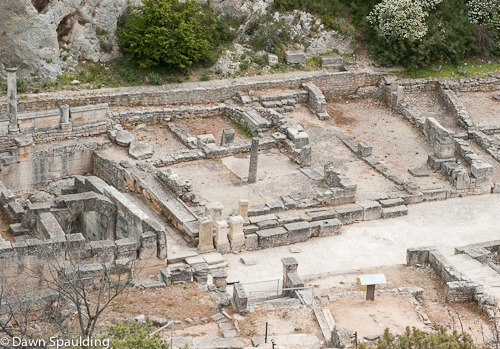
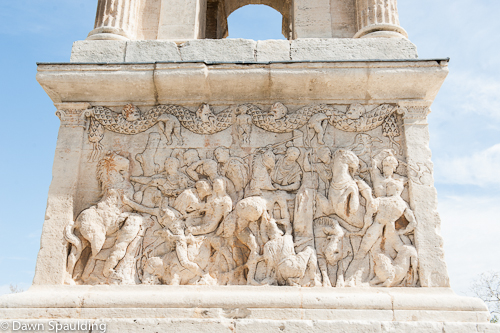
Site Archéologique de Glanum
I had no idea how amazing the ruins of the ancient city Glanum would be. I almost skipped it, figuring I’ve had my fill of destroyed buildings, but I’m glad I didn’t since this is one of the most well-preserved and impressively designed ancient city I’ve seen (this may not be saying much since most […]
Les Antiques, St-Rémy de Provence
If you don’t believe that chic St-Rémy de Provence wasn’t always filled with boutiques and cafés, drive a few minutes out of the city center and look by the side of the road. There, you’ll see two ancient structures sitting in the middle of a field that comprise the site known as Les Antiques. The […]
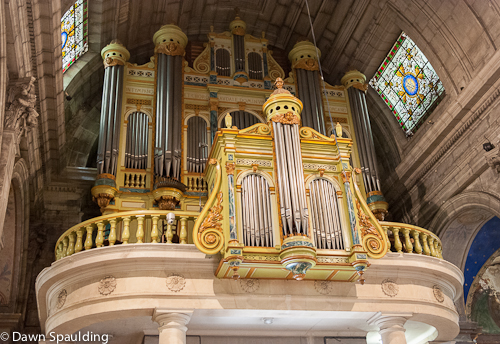
Collégiale Saint Martin, St-Rémy de Provence, France
Collégiale Saint Martin’s hulking Neoclassical mass is stuffed into tiny St-Rémy’s streets. The structure, which stands on the site of a medieval church, only dates from 1821, having been constructed after the original collapsed in 1818. The 14th-century Gothic bell tower and chapel are from the original building. I’ve seen a lot of organs, and […]
Igreja do Carmo, Porto
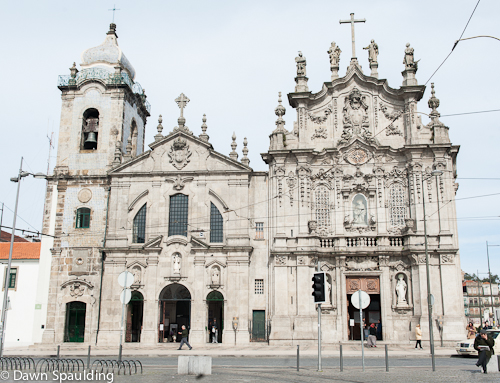
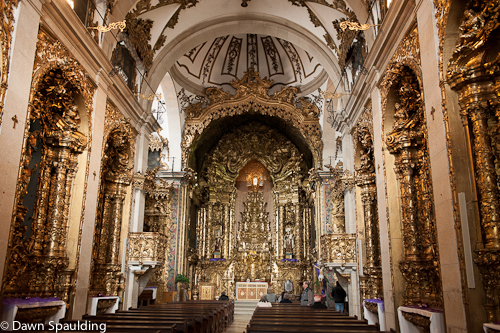
This 18th-century Baroque church is a visual feast with its gilt carvings and Portuguese Rococo touches. Igreja do Carmo and its neighbor, Igreja das Carmelitas, are separated by what could be the world’s thinnest house, a 1-meter wide sliver. A Portugese law used to prohibit churches from sharing walls, so voilà, a house was built. […]
Igreja das Carmelitas, Porto
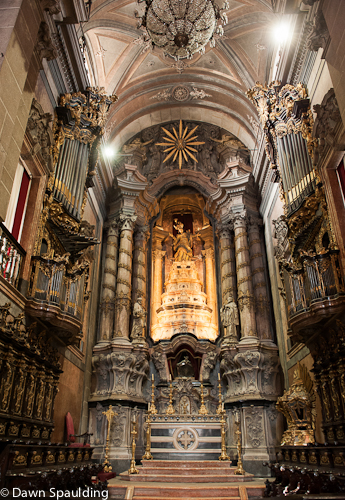
Igreja das Carmelitas and its neighbor, Igreja do Carmo, are separated by what could be the world’s thinnest house, a 1-meter wide sliver. A Portugese law used to prohibit churches from sharing walls, so voilà, a house was built. Igreja das Carmelitas was built in the early 17th century for the Carmelite order of nuns. […]
Torre de Clérigos and Igreja dos Clérigos, Porto
The Torre de Clérigos is one of the most recognizable and highest structures in Porto’s skyline. The 75-meter tall granite tower was constructed in the late-18th century. At that time, it was the highest structure in Portugal. We didn’t bother climbing the 225 stairs to the top since it was raining and grey, but the […]
Igreja da St Ildefonso, Porto
This colorful Baroque parish church is quite an attention-getter! 11,000 azulejo tiles depict scenes from the life of Saint Ildefonso and figurative imagery from the gospels. The structure dates from the 18th century and was built on the site of a 13th-century chapel. Nicolau Nasoni, the Italian starchitect who designed the Clerigos Tower, designed the […]
Sé do Porto
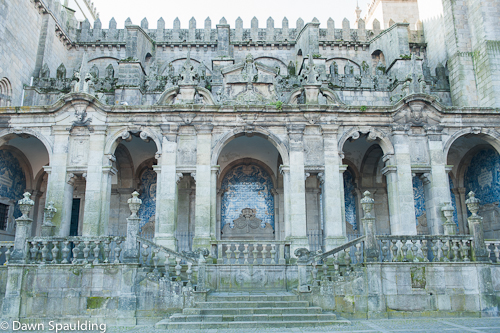
Porto’s massive cathedral, Sé do Porto, sits high on a hill overlooking the city. It was founded in the 12th century and is one of Portugal’s significant Romanesque monuments. The plain façade features a Baroque porch and a Romanesque rose window and is flanked by two square towers with cupolas. The interior is striking with […]
Musée Angladon, Avignon, France
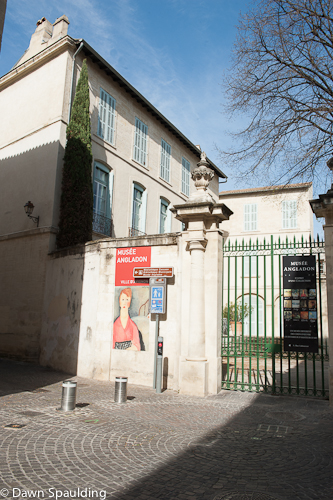
What’s better than a house museum? A house museum that doubles as an art museum. Musée Angladon houses the art collection of couturier Jacques Doucet. Though he never occupied the building, Hôtel de Massilian (named after the family that occupied it in the 18th century), his descendent who generously donated and funded the museum did. […]
